Russian strikes on energy infrastructure have resumed at scale, but the deeper question in December is not damage — it is sustainability. Air defence interception rates, munition stockpiles and repair cycles are now the central variables of the winter campaign.
KYIV / BRUSSELS / WARSAW — Winter has returned the war to infrastructure.
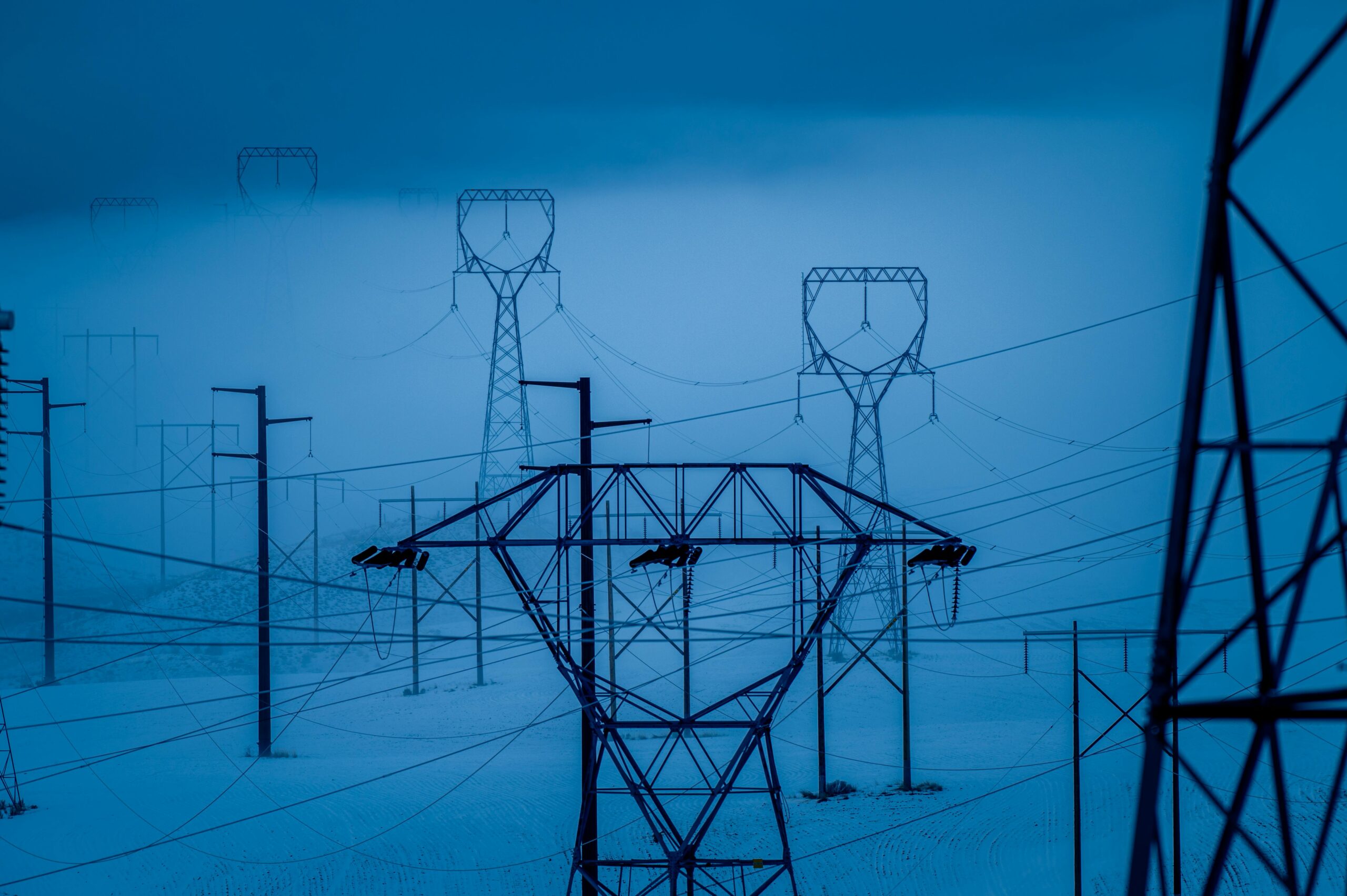
In mid-December, Russia intensified missile and drone strikes against Ukrainian power generation and transmission nodes, renewing a campaign that first defined the winters of 2022 and 2023. But the strategic context has changed. Ukraine is no longer rebuilding from scratch. It is defending a partially hardened grid — with finite interceptors.
The battlefield is not only above Ukrainian cities. It is inside NATO warehouses.
Interception rates versus inventory burn
Ukraine’s air defence network — a patchwork of Soviet-era systems and Western-supplied platforms — has achieved high interception percentages in recent waves. But high interception rates conceal a structural cost: missile expenditure outpaces replenishment cycles.
Each large-scale strike wave consumes interceptors that are expensive, complex to produce, and not manufactured at pre-2022 volumes.
December’s shift is arithmetic:
Winter tempo is testing whether Western supply chains can sustain both Ukrainian consumption and national stockpile requirements simultaneously.
The grid is stronger — but still finite
Ukraine entered winter with improved resilience:
- Hardened substations
- Distributed generation capacity
- Faster repair protocols
- Increased transformer reserves
But no grid can absorb unlimited concentrated strikes.
Energy resilience is now less about complete blackouts and more about rolling instability — intermittent regional outages, industrial slowdown, and sustained repair pressure.
That model erodes economic capacity without producing a single dramatic collapse.
NATO’s pacing problem
In Brussels, defence planners are managing two timelines:
- Immediate Ukrainian needs
- Medium-term European readiness targets
Air defence systems — particularly advanced Western platforms — are not infinitely scalable in the short term. Production lines are expanding, but delivery horizons stretch into late 2026 and 2027 for some systems.
December therefore highlights a tension:
If Ukraine’s winter burn rate remains high, allies must choose between deeper stockpile drawdowns or slower resupply pacing.
Neither option is costless.
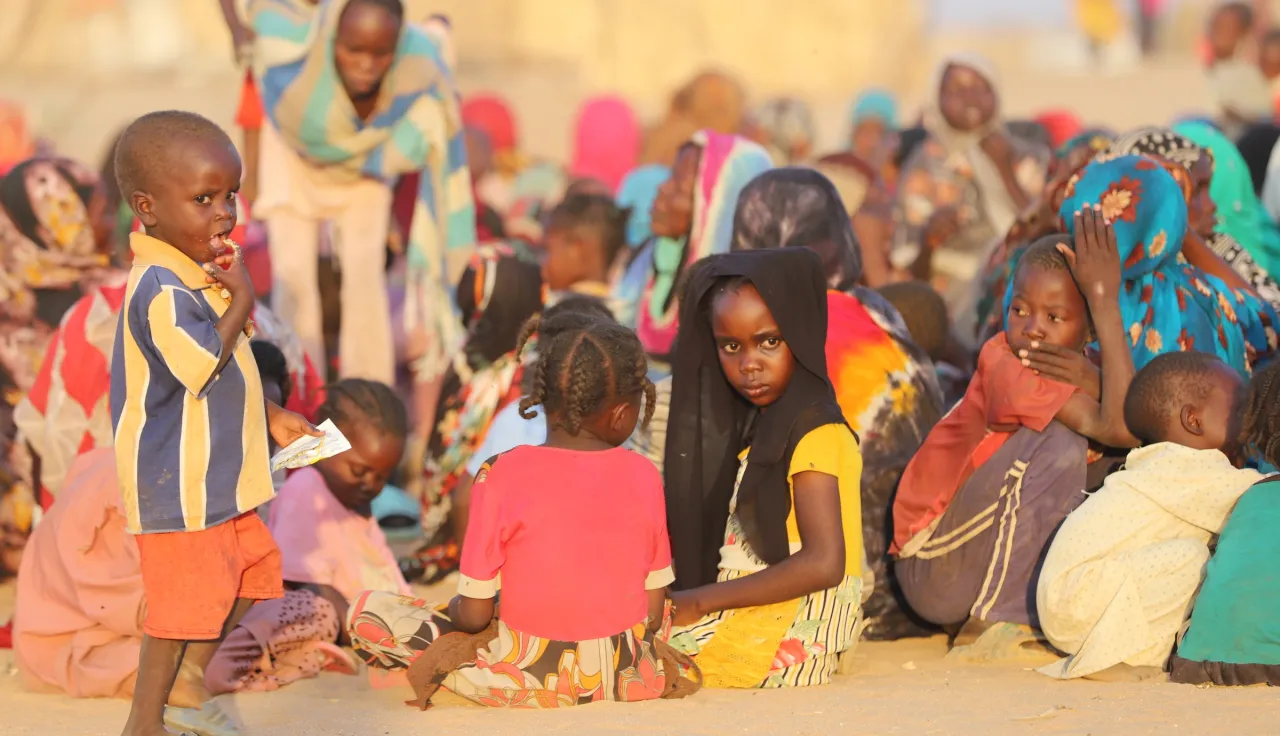
The humanitarian layer
Energy infrastructure attacks are not only military tools. They are pressure mechanisms aimed at civilian morale.
Even partial outages during freezing temperatures raise:
- Heating risks
- Water system vulnerabilities
- Hospital backup strain
- Migration pressure toward western Ukraine and the EU
Europe has learned to absorb displacement waves, but winter instability increases unpredictability.
What changed in December
November saw continued fighting.
December has clarified the logistical dimension of the war.
This is no longer only a contest of territory. It is a contest of:
- Interceptor manufacturing capacity
- Transformer replacement speed
- Repair engineering throughput
- Fiscal endurance
The winter campaign has become an industrial stress test — for both Ukraine and its backers.
The strategic point
Russia’s objective is no longer necessarily decisive blackout. It is cumulative strain.
Ukraine’s objective is no longer only survival. It is sustainability.
December suggests the coming months will not hinge on one dramatic strike, but on whether Western industrial ramp-up can outpace winter attrition.
That is a quieter, but potentially more decisive, metric.