Nearly a year after the truce took effect, the UN says verified civilian deaths have continued to rise, while infrastructure damage and displacement keep southern Lebanon in a limbo that looks less like “post-war” and more like suspended recovery.
GENEVA / BEIRUT — The Lebanon front is testing an uncomfortable truth about ceasefires: they don’t fail only when they collapse, but when they degrade — slowly, repeatedly, and in ways that make return and reconstruction impossible.
On 25 November 2025, the UN human rights office (OHCHR) said at least 127 civilians had been killed in Lebanon in Israeli strikes since the ceasefire came into effect on 27 November 2024, stressing the figure reflects cases it has verified under a strict methodology and that the real toll could be higher.
A ceasefire measured in trendlines, not signatures
OHCHR’s warning is less about any single incident than about a pattern: “increasing attacks,” destruction of civilian objects, and “alarming threats” of a wider offensive — language that signals a truce drifting away from stabilisation and back toward escalation risk.
This matters because the practical “success condition” of the ceasefire is not only reduced exchanges. It is whether civilians can safely return, and whether reconstruction is allowed to restart at scale.
The Ain El-Hilweh strike became a credibility test
In one of the deadliest incidents highlighted by OHCHR, at least 13 civilians were killed and at least six injured in a strike on the Ein El-Hilweh Palestinian refugee camp near Sidon. OHCHR said all the fatalities it documented were civilians and called for a prompt and impartial investigation.
The mechanics are important: when headline incidents become investigation triggers, ceasefire management shifts from “deconfliction” to accountability pressure — which can harden positions on both sides and complicate mediation.
Displacement and reconstruction are still constrained
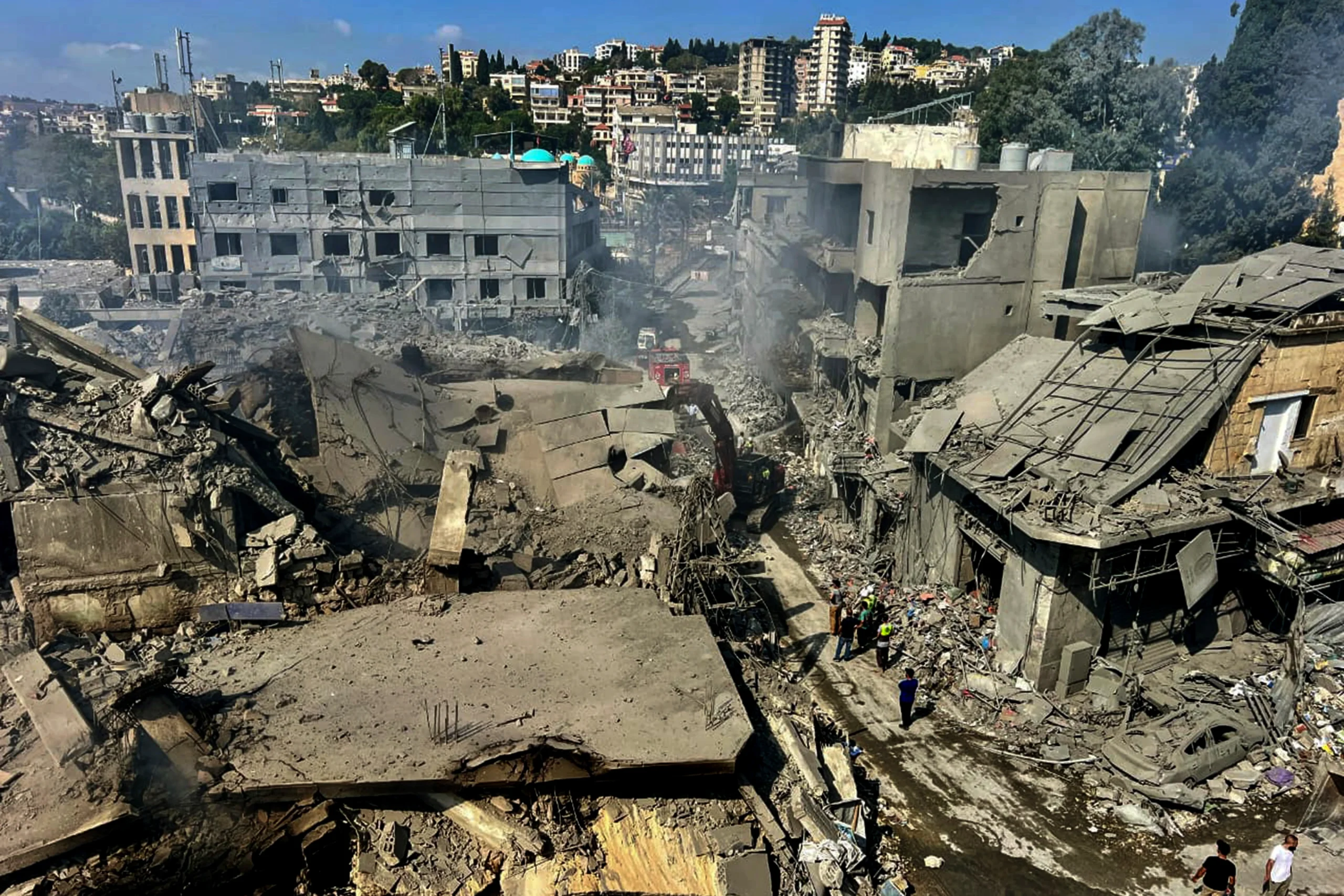
OHCHR said strikes have destroyed civilian infrastructure and hampered reconstruction and efforts by displaced people to return home. It put the number of people still displaced at over 64,000, mostly from southern Lebanon.
It also pointed to a territorial and access dimension: construction of a wall crossing into Lebanese territory that makes 4,000 square metres inaccessible, affecting access and return to land.
The strategic point
A ceasefire becomes durable when it creates predictable conditions for security, return, and rebuilding. OHCHR’s late-November warning suggests Lebanon is instead entering a phase where the truce exists on paper, but the recovery dividend remains blocked — and that gap is where escalation risk quietly accumulates.