The deal’s first stage hinges on tight timelines: a pause in fighting, a hostage-for-prisoner exchange and an Israeli pullback to agreed lines. The strategic question is whether guarantors can enforce compliance long enough to reach the harder second phase.
JERUSALEM / GAZA / CAIRO — Israel’s cabinet has approved a phase-one ceasefire framework with Hamas, setting the clock running on a deal designed to pause hostilities in Gaza and begin a captive and prisoner exchange within days. Israeli statements reported that the ceasefire would take effect within 24 hours of the cabinet decision, with the release of 48 Israeli captives to follow within 72 hours, including roughly 20 believed to be alive.
In outline, the first phase looks like a familiar Middle East formula: sequencing, verification and managed ambiguity. The ceasefire is meant to reduce violence quickly, while the hostage exchange creates political momentum and “proof of life” for both sides. But the very design that makes phase one possible also exposes the central fragility of the arrangement: the deal depends on compliance before trust exists.
A deal built on timelines — and a contested map
Two features dominate the initial phase.
The first is time. When agreements are politically toxic on both sides, negotiators compress timelines to force early delivery: a ceasefire window, rapid releases, and immediate de-confliction measures. Israeli officials described a fast implementation sequence once the cabinet approved the outline.
The second is territory. The Guardian reported Israeli forces would withdraw to an agreed line that still left Israel controlling a significant portion of Gaza — a detail that makes the “pullback” politically defensible domestically while also setting up the main dispute of phase two: what “end state” actually means.
For Hamas, the near-term incentive is clear: releases, relief, and the political signal that it remains a negotiating counterpart. But Hamas’ messaging emphasised guarantees and accused Israel of manipulating parts of the agreement — an early indicator of how quickly disputes can trigger claims of violation.
The enforcement problem: ceasefire as a management challenge
Ceasefires fail less often because parties “forget the deal” than because incidents become political tests.
Phase one is especially exposed to:
- verification disputes (who violated first),
- security incidents that force retaliatory logic,
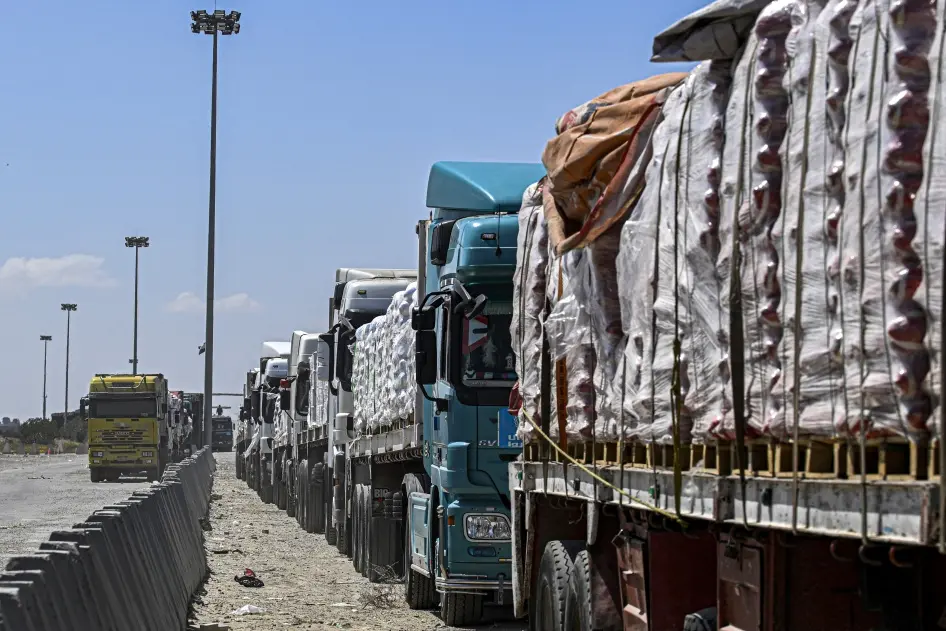
- delivery delays (prisoner lists, access routes, medical checks),
- and spoilers who benefit from collapse.
AP’s later reporting on the months after the truce began described precisely this pattern: both sides accusing the other of breaches, partial implementation, and persistent violence despite the ceasefire’s formal existence — a reminder that “agreement” and “stability” are not the same thing.
This is why the most important detail isn’t the headline “ceasefire,” but the credibility of the guarantor architecture — who monitors, who arbitrates, and what penalties exist for breach.
The political constraint: each side must sell a compromise as a win
For Israel, the hostage issue is both national trauma and domestic political minefield. Approving a deal that trades prisoners and accepts a phased withdrawal invites backlash from hardliners — but failing to deliver hostages also carries a heavy legitimacy cost.
For Hamas, the deal risks being framed as conceding under pressure if it cannot show tangible gains: releases, aid access, and a credible path to an Israeli pullback. That is why Hamas’ public stance focused on enforcement guarantees — it needs the ability to blame the other side if outcomes fall short.
In other words, the deal is not only a security arrangement — it’s a narrative contest.
The strategic question: does phase one create a bridge to a governing endgame?
Phase one can pause fighting and unlock humanitarian movement. It cannot, by itself, answer:
- Who governs Gaza after the pause?
- What security model replaces continuous Israeli operations and Hamas’ armed presence?
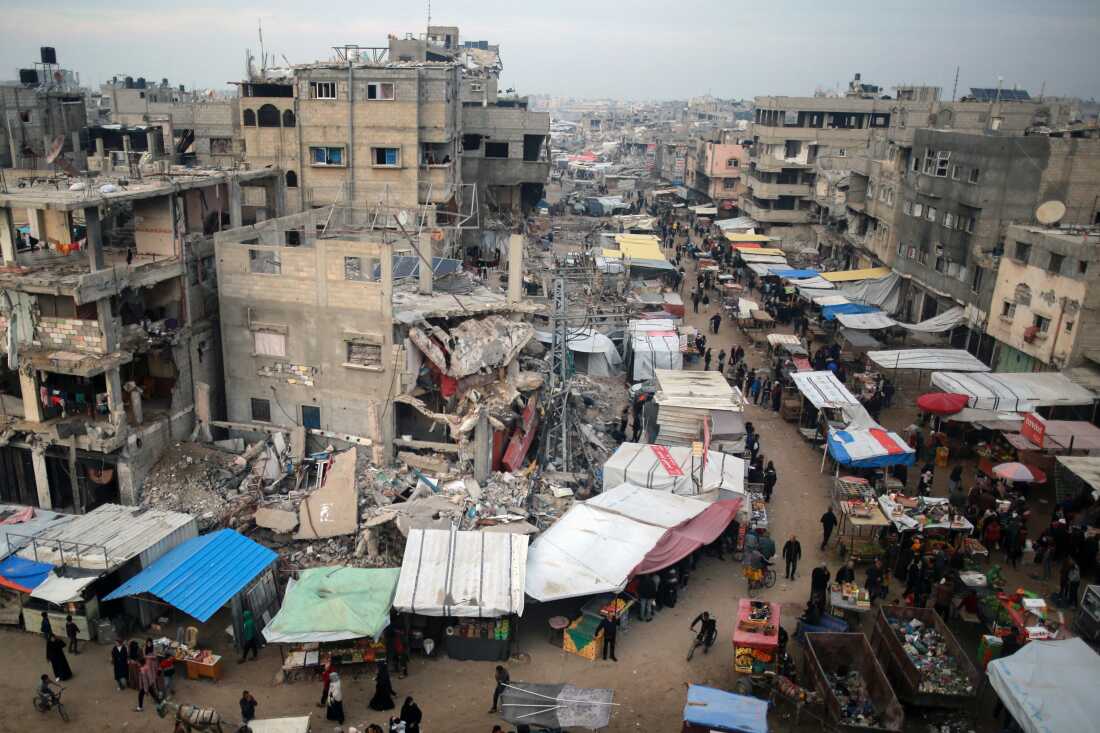
- Who pays for reconstruction — and under what political authority?
Even sympathetic observers note that the “hard” issues are postponed rather than resolved. The Washington Post said details remained unclear even as timelines were announced, underlining the extent to which phase one is a starter mechanism rather than a final settlement.