Israel’s reopening of the Zikim crossing created a direct aid entry point to northern Gaza, but the UN says the scale-up remains constrained by too few crossings, import approvals, visa restrictions and limits on humanitarian movements inside the Strip.
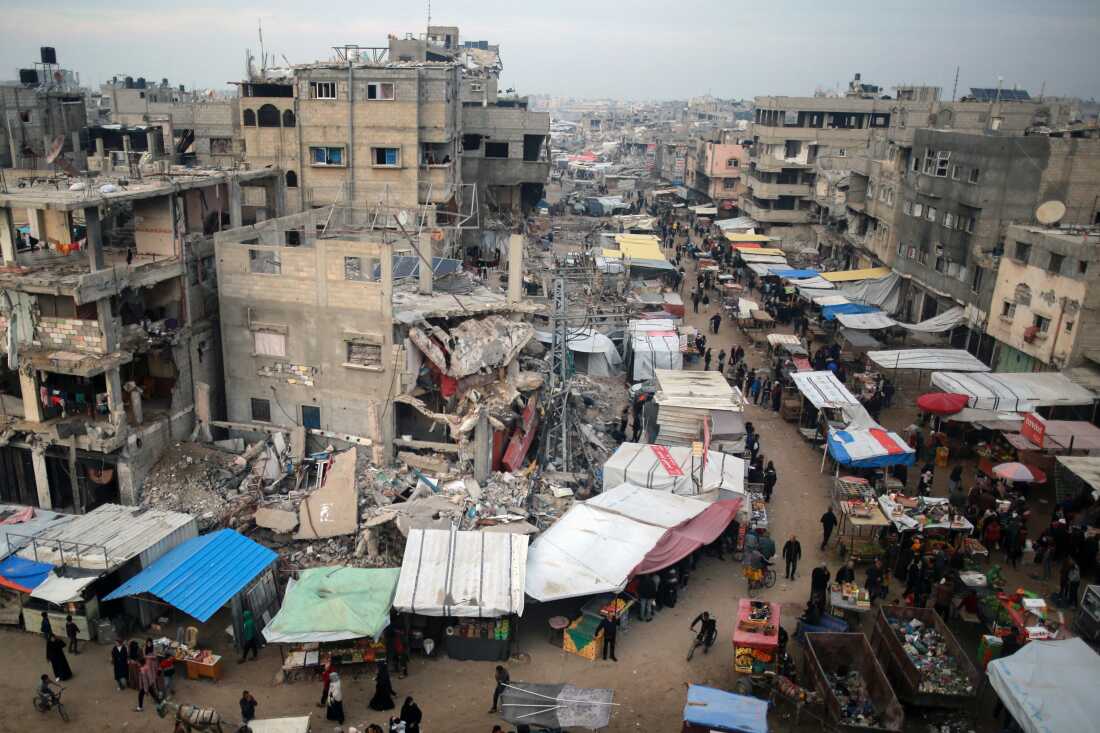
GAZA / UNITED NATIONS — In the second month of the October ceasefire, the centre of gravity has shifted from battlefield dynamics to systems performance: crossings, approvals, and internal movement permissions.
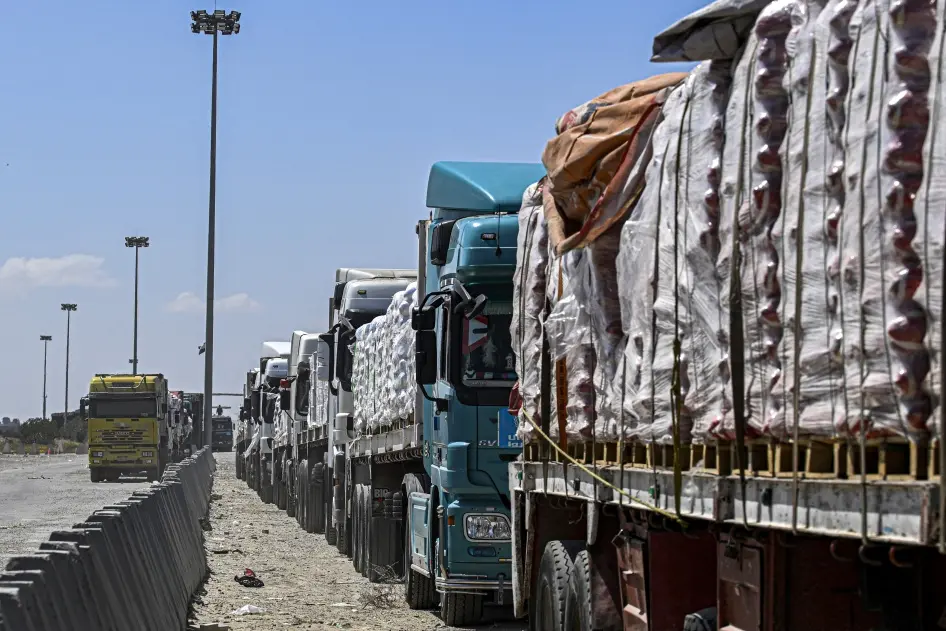
On 12 November 2025, Israel reopened the Zikim crossing in northern Gaza for humanitarian aid trucks, according to COGAT, the Israeli defence ministry body that oversees civilian affairs and aid flows. COGAT said aid would be transferred by the UN and international organisations following security inspections.
Why Zikim matters: north access is a stress-test of the deal
Before Zikim’s reopening, the UN humanitarian office said aid entry was effectively limited to two crossings, with no direct access from Israel to northern Gaza — a structural constraint in a ceasefire whose credibility depends on predictable delivery.
Zikim changes the geometry: it creates a shorter, more direct route to the north, reducing reliance on internal convoying from the south and the resulting friction in distribution.
OCHA’s warning: scale-up is real, but still held back
The UN’s assessment has been consistent: the ceasefire has enabled an increase in aid handling, but operational impediments remain.
In a 21 November 2025 press release, OCHA said the humanitarian scale-up was still being held back by restrictions affecting visas and import approvals, too few crossing points operating, and limited facilitation of humanitarian movements inside Gaza.
OCHA detailed the mechanics: between 12 and 18 November, the UN and partners attempted to coordinate just over 50 humanitarian movements with Israeli authorities. Most were facilitated — but over a third were denied or initially approved and then impeded on the ground. Over the same week, UN and partners collected more than 10,600 metric tons of aid from the crossings, according to preliminary data on the UN 2720 dashboard.
The 2720 mechanism: a clearer picture of throughput
UNOPS’ UN2720 Mechanism monthly overview provides a useful baseline for November’s throughput: 54.2K metric tonnes of humanitarian aid were delivered to Kerem Shalom, Kissufim, and Zikim crossing points in November 2025 — a sizeable increase compared with October.
This matters for policymakers because it separates two debates that are often conflated:
- “How much reached the crossings?” (throughput and clearance)
- “How much reached people, on time, where it’s needed?” (movement permissions, distribution capacity, security, and local access)
The strategic point
Ceasefires don’t only break on major violations. They also erode through persistent friction: approvals that slow down, routes that remain constrained, and systems that cannot sustain predictable delivery. Zikim’s reopening is a real operational improvement — but OCHA’s reporting makes clear the deal is now being tested by governance and logistics as much as by frontline restraint.