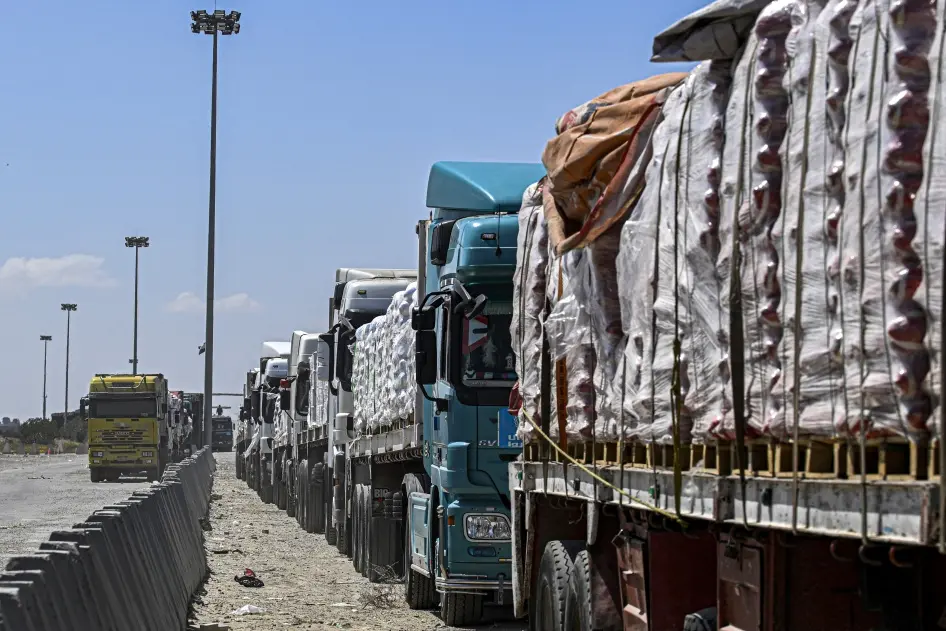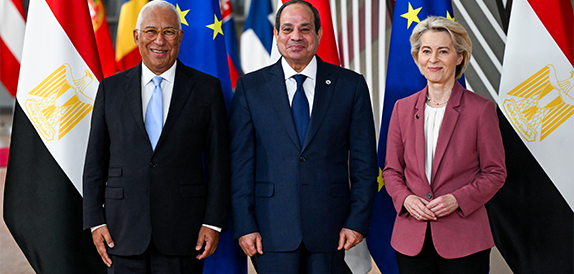
In December, the EU moved from informal leverage to formalised conditionality, tying budget disbursements and security assistance more tightly to migration management performance. The result is a clearer — and more transactional — security-for-funding model.
BRUSSELS / ROME / TUNIS / NDJAMENA — Europe’s migration diplomacy is entering a new phase.
For most of 2024 and 2025, Brussels relied on political understandings with North African and Sahel partners: funding packages, macro-financial support, and border assistance in exchange for cooperation on irregular migration flows.
In December 2025, that model began to formalise. Conditionality clauses tied to migration control performance have sharpened inside EU budget implementation frameworks, transforming what was previously political leverage into structured disbursement logic.
The tone has shifted from partnership to performance.
From political alignment to measurable benchmarks
The change is procedural but consequential.
Member states and Commission officials have increasingly emphasised:
- Border management metrics
- Anti-smuggling enforcement benchmarks
- Readmission cooperation rates
- Monitoring frameworks tied to financial tranches
The logic is straightforward: funding is not only assistance — it is incentive architecture.
What changed in December is the visibility of this architecture.
Sudan spillover pressure reshapes corridors
The hardening comes against a background of growing instability in Sudan and the broader Sahel.
Displacement from Darfur and conflict-affected zones has not yet produced 2015-scale migration waves toward Europe, but the corridor pressure is visible:
- Chad and Libya routes remain fluid
- Central Mediterranean departures fluctuate
- Smuggling networks adapt rapidly to enforcement changes
European policymakers increasingly frame migration management not as humanitarian coordination but as pre-emptive security policy.
December’s recalibration reflects concern that unresolved Sudanese instability could translate into delayed but significant corridor stress.
Italy’s front-line politics amplify the shift
Southern European states, particularly Italy, have pushed for firmer linkage between EU funds and migration containment results.
Domestic political pressure has narrowed the space for flexible arrangements. The argument gaining traction in Brussels: if funding is politically costly, it must produce measurable outcomes.
This reinforces a feedback loop:
- National politics shape EU conditionality.
- Conditionality reshapes EU–Africa diplomacy.
The security-for-funding equilibrium
The emerging model looks like this:
- EU allocates macro-financial or development funds.
- Partner state enhances border enforcement and migration control.
- Disbursement tranches are tied to operational cooperation.
- Political support in European capitals is sustained.
The risk is reputational: over-securitising migration partnerships can strain broader diplomatic ties, particularly where governance and human-rights concerns remain sensitive.
But from Brussels’ perspective, predictability outweighs discomfort.
Long-term implications
December’s shift suggests that EU–Africa relations are entering a more transactional era.
Development assistance, migration control, and security cooperation are becoming interwoven in formal mechanisms rather than informal understandings.
That has three implications:
- Greater leverage for the EU in the short term.
- Greater bargaining power for transit states over time.
- Reduced diplomatic flexibility during crises.
If migration flows rise sharply in 2026, this model will either prove effective — or reveal its limits quickly.